You can drive five minutes in Marin and feel a temperature swing of 10 to 20°F. Fog hugs one cove while sun lights up the next valley. If you are comparing Stinson Beach with San Rafael, these shifts shape day-to-day comfort, maintenance, and even insurance. In this guide, you’ll learn what creates Marin’s microclimates, how they play out in different neighborhoods, and how to tour homes to see the differences for yourself. Let’s dive in.
What creates Marin’s microclimates
Marin’s terrain and proximity to the Pacific Ocean and San Francisco Bay create fast-changing conditions over short distances. Ridges, canyons, and valleys channel or block ocean air, so temperature, humidity, wind, and sunlight can change across a few blocks.
- Marine layer and onshore flow bring cool, moist air inland, often in late spring and early summer. Mornings can start foggy, then clear by midday depending on location and season.
- Elevation and slope matter. South- and west-facing slopes get stronger sun. North- and east-facing slopes tend to be cooler and moister.
- Gaps in ridgelines accelerate winds. Sheltered valleys experience milder breezes but can trap cool air at night.
The practical takeaway: conditions can vary meaningfully between Stinson Beach and Mill Valley, and also within Ross Valley communities that include parts of San Rafael.
Neighborhood profiles at a glance
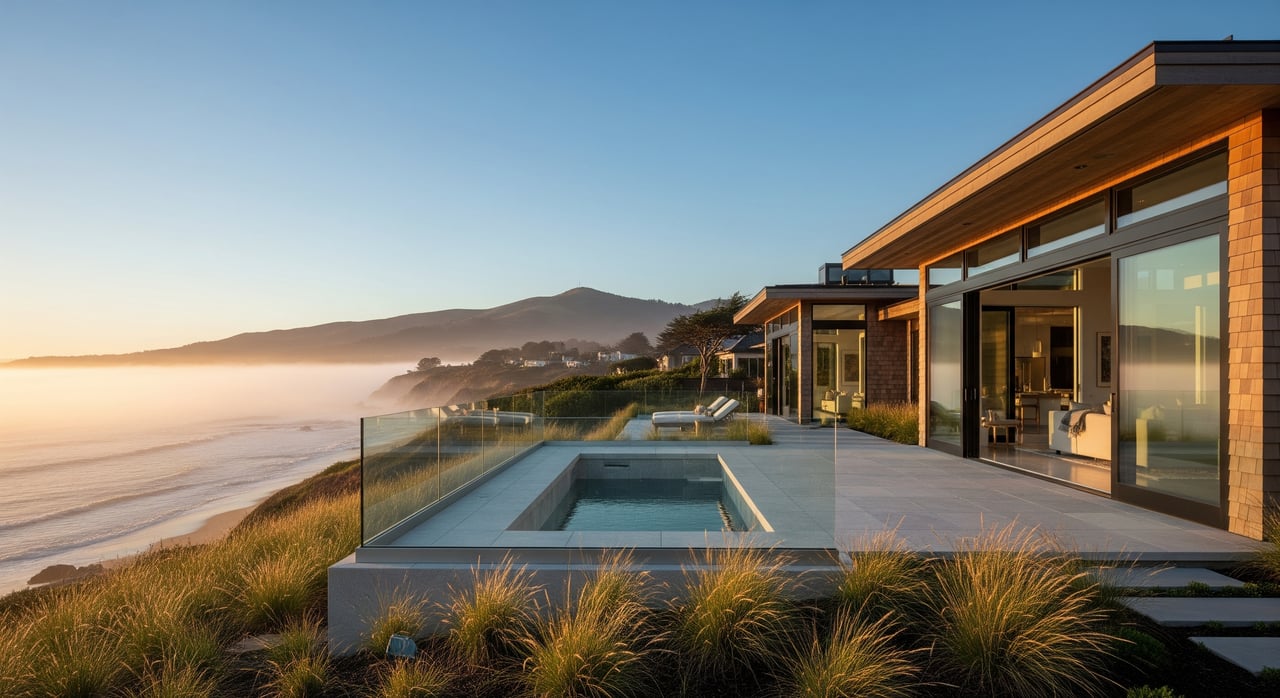
Stinson Beach: On the coastal edge
- Typical conditions: Cool year-round with frequent fog, especially in the morning. Ocean winds and salt spray are common at exposed sites.
- Sunlight: Less consistent direct sun. Fog may linger into late morning during marine-layer events.
- Moisture and salt: Higher ambient moisture and airborne salt can accelerate corrosion and affect wood and painted surfaces.
- Hazards: Coastal flooding, high-wave events, tsunami potential in certain zones, and erosion in dune or shoreline areas.
- Lifestyle: Great if you prefer cooler summers and direct beach access. Outdoor areas near the ocean often need wind screens or covered seating.
Mill Valley: Coastal foothills and transition zones
- Typical conditions: More sheltered than the immediate coast. Some areas feel the marine layer, while lee slopes and inland-facing neighborhoods often get more sun and milder winds.
- Micro-variation: Conditions vary by street. Lower, Ross Valley-facing pockets can be warmer and sunnier than ridgeline or ocean-facing spots.
- Hazards: Hillsides bring drainage and landslide considerations; wildfire risk varies on wildland-urban edges.
- Lifestyle: Many homes balance coastal cooling with better sun exposure in protected locations.
Ross Valley, including parts of San Rafael: Warmer and sunnier
- Typical conditions: More inland and sheltered from direct ocean influence. Expect warmer daytime highs, less persistent fog, and lower sustained winds than the coast.
- Diurnal range: Larger day-to-night temperature swings, with warm afternoons and cool evenings in summer.
- Hazards: Wildfire risk near wildlands, plus localized flooding in valley bottoms and along creeks.
- Lifestyle: Sun-oriented yards and gardens thrive, and south- or west-facing roofs can yield stronger solar production depending on trees and orientation.
How microclimates shape your home experience
Comfort and outdoor living
- Plan for layers. In Stinson Beach, wind- and fog-ready apparel is part of daily life. Inland, you will feel warmer afternoons and cooler nights.
- Outdoor spaces need tailoring. On the coast, choose wind-tolerant furniture and consider screens or pergolas. In Ross Valley and San Rafael, patios often get more consistent sun, especially in the afternoon.
- Sound varies with wind. Exposed ridgelines can amplify wind noise. Sheltered valleys are quieter but may carry neighborhood sounds.
Materials and maintenance
- Corrosion is a coastal reality. In foggy, salty air, use stainless-steel or hot-dipped galvanized fasteners, marine-grade hardware, and corrosion-resistant fixtures.
- Paint and coatings need more attention near the ocean. High-performance exterior coatings and more frequent repainting are common.
- Manage moisture in wood. Higher humidity can promote rot or mold in poorly ventilated areas. Favor rot-resistant woods like redwood or cedar, ensure proper flashing, and verify deck ledger details.
- Roof and window durability matters. Coastal wind and salt increase wear on roofing and flashings; sealed window units facing the ocean can have shorter lifespans without regular maintenance.
Energy, HVAC, and ventilation
- Heating vs. cooling flips by location. Coastal homes often need less air conditioning but benefit from heating or dehumidification to manage damp. Inland homes see higher summer cooling needs.
- Ventilation is key near the coast. Mechanical ventilation, crawlspace airflow, and targeted dehumidification help limit mold.
- HVAC care near salt air. Protect and service exterior coils regularly to prevent corrosion-related issues.
- Solar potential varies. Fog and marine layer reduce sun during certain hours and seasons at the coast. Sheltered locations in Ross Valley and parts of San Rafael usually achieve higher solar yields, though site specifics like trees and orientation still determine results.
Landscaping and exterior systems
- Plant selection should match exposure. Coastal gardens benefit from salt- and wind-tolerant species, while sunny inland yards often favor drought-tolerant natives.
- Drainage and erosion deserve attention. Hillsides and coastal bluffs require careful drainage design and stable retaining structures.
- Trees can help or hinder. Wind shelter is a plus, but dense shade combined with fog can increase mildew risk. Pruning and airflow help keep surfaces dry.
Insurance, hazards, and permitting
- Flood and tsunami zones affect costs. Some Stinson Beach parcels are in FEMA flood zones or tsunami-susceptible areas, which can influence insurance requirements.
- Wildfire is a variable risk inland. Mill Valley and Ross Valley foothills have varying hazard designations. Defensible space rules and vegetation management are part of ownership in certain areas.
- Seismic and landslide risk grows on slopes. Geotechnical review is prudent for hillside or bluff properties.
- Permitting differs near the coast. Certain shoreline work may involve coastal oversight in addition to county processes.
Disclosures and records to request
- Moisture and rot: Ask for any history of leaks, mold, or remediation, plus crawlspace and basement reports.
- Exterior maintenance: Look for repainting schedules, deck replacement records, and fastener specifications.
- Roofing: Confirm age, recent inspections, and any salt corrosion on flashings and gutters.
- Systems: Review HVAC service logs and any corrosion-related replacements.
- Hillside documentation: Request geotechnical reports, slope-stability assessments, and drainage plans.
- Solar: If present, obtain production data and equipment age or warranty details.
Touring strategy: See the microclimate in action
A single visit rarely tells the full story. Plan multiple appointments to understand how a property actually lives across the day and season.
When to visit
- Early morning: Check for marine layer, fog, and humidity before 9 a.m.
- Midday: Between 11 a.m. and 2 p.m., evaluate sun exposure and peak onshore winds.
- Late afternoon and early evening: From 4 to 7 p.m., watch for evening breezes, shifting sun angles, and fog moving back in.
- Seasonal visit: If possible, tour in the season you will use the home most. Summer shows fog behavior; winter reveals storm and drainage performance.
What to bring and note
- A small thermometer or smartphone app to log temperature and humidity between homes.
- A compass or phone orientation tool to identify cardinal directions and roof slopes.
- A camera and checklist: look for wind exposure on decks, rust on metalwork, moisture staining, HVAC placement and wear, and midday-to-afternoon sun on the yard.
Questions to ask during tours
- How often does fog or low cloud persist here, and is it seasonal?
- Any past moisture issues or mold remediation? What was done and when?
- Which fasteners and coatings were used for decks and exterior updates?
- Roof age, prior replacements, and any accelerated deterioration on flashings or gutters?
- If solar is installed, can you review production data and shading patterns?
- For hillsides: Are there geotechnical reports and documented drainage improvements?
Inspections worth adding to your contingency period
- Full home inspection with careful crawlspace or basement moisture checks.
- Pest and wood-destroying organism inspection.
- Roof and gutter evaluation.
- HVAC service review with attention to corrosion.
- For hillside or bluff lots, a geotechnical or structural review as warranted.
- Solar performance report if a system is present.
How to interpret what you see
- Fog that persists into midday usually means limited solar gains for gardens and higher exterior maintenance needs.
- Strong, steady winds across decks point to wind-tolerant plantings and more robust outdoor fixtures.
- Visible rust, corroded fasteners, or frequent repainting suggest higher ongoing maintenance at coastal exposures.
- Dense tree shade combined with fog can raise mildew risk, which calls for pruning and better ventilation.
Stinson Beach vs. San Rafael: Choosing your fit
Comparing coastal Stinson Beach with inland Ross Valley communities that include parts of San Rafael helps clarify priorities.
- Climate comfort: Stinson Beach is cooler with more fog and wind. San Rafael-area pockets in Ross Valley are warmer with larger day-night temperature swings.
- Outdoor living: Coastal spaces benefit from wind breaks and covered seating. Inland yards see more consistent sun for pools, play areas, and gardens.
- Maintenance: Expect more corrosion management and high-performance coatings at the coast. Inland, UV and heat become the drivers, but corrosion is less aggressive.
- Energy: Coastal homes often lean on heating or dehumidification rather than air conditioning. Inland homes should plan for summer cooling and can leverage passive solar strategy.
- Solar PV: Fog reduces insolation in certain hours on the coast. South- and west-facing roofs in sheltered Ross Valley or San Rafael locations typically see higher production, subject to trees and exact orientation.
- Risk profile: Stinson Beach may intersect with flood or tsunami considerations. Inland hillsides bring wildfire and slope-stability planning into focus.
Microclimates touch everything from your morning routine to your long-term maintenance budget. When you walk a property with a team that knows how fog moves through a canyon or how a ridgeline accelerates wind, you make smarter decisions.
The Sarkissian Bullock Team combines neighborhood-level insight with discreet, white-glove representation to help you choose wisely in Stinson Beach, Mill Valley, Ross Valley, and San Rafael. Whether you are buying a coastal retreat or an inland estate, we will tailor tours, questions, and inspections to the site’s true conditions. If you are selling, we position your property’s microclimate strengths—sun, shelter, views—to maximize market appeal and value realization.
Ready to align your search or sale with Marin’s microclimates? Request a Confidential Valuation or schedule a private consultation with our team through Global Estates.
FAQs
How does the marine layer affect Stinson Beach home comfort?
- Morning fog and ocean breezes keep temperatures cooler, reduce direct sun at times, and increase ambient moisture that you will want to manage with ventilation.
What microclimate should I expect in San Rafael’s Ross Valley?
- Conditions are generally warmer and sunnier than the coast with larger day-to-night swings, making afternoon outdoor use and solar more favorable in many pockets.
How do Marin microclimates influence maintenance budgets?
- Coastal salt and moisture accelerate corrosion and finish wear, so plan for higher-grade materials and more frequent exterior upkeep compared with sheltered inland sites.
What should I ask a seller about fog and wind during a tour?
- Ask how often fog lingers, when winds peak, and request records for roof, exterior coatings, fasteners used, and any moisture remediation or HVAC corrosion service.
Is solar practical in fog-prone areas of Marin?
- It can be, but yields are typically stronger on sheltered, south- or west-facing roofs in inland valleys, so site-specific production estimates are important.