Belvedere And Tiburon Coastal Living, Season By Season
February 5, 2026
February 5, 2026
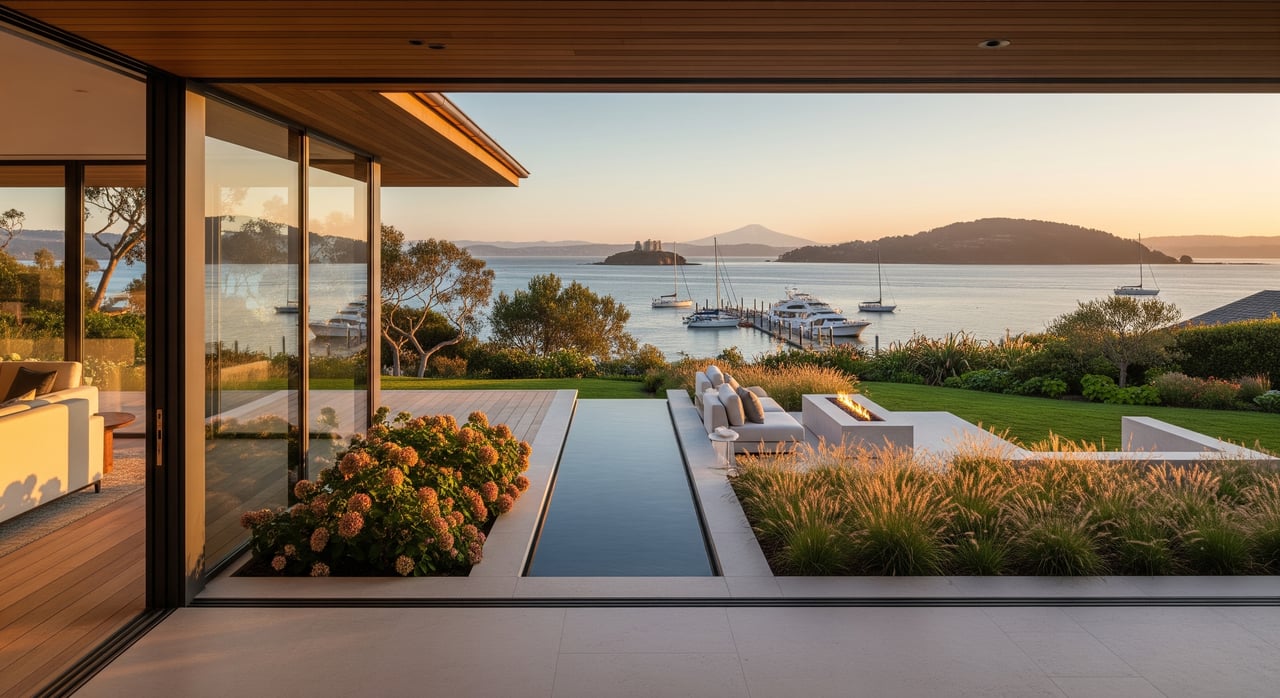
If you picture early mornings with a soft marine layer drifting across the Bay and evenings that glow gold over Angel Island, you already understand the draw of Belvedere and Tiburon. You want an insider’s sense of how the peninsula lives across the year, not just on postcard days. In this guide, you’ll learn the seasonal rhythms that shape daily life, recreation, commuting, and smart moments to buy or sell. Let’s dive in.
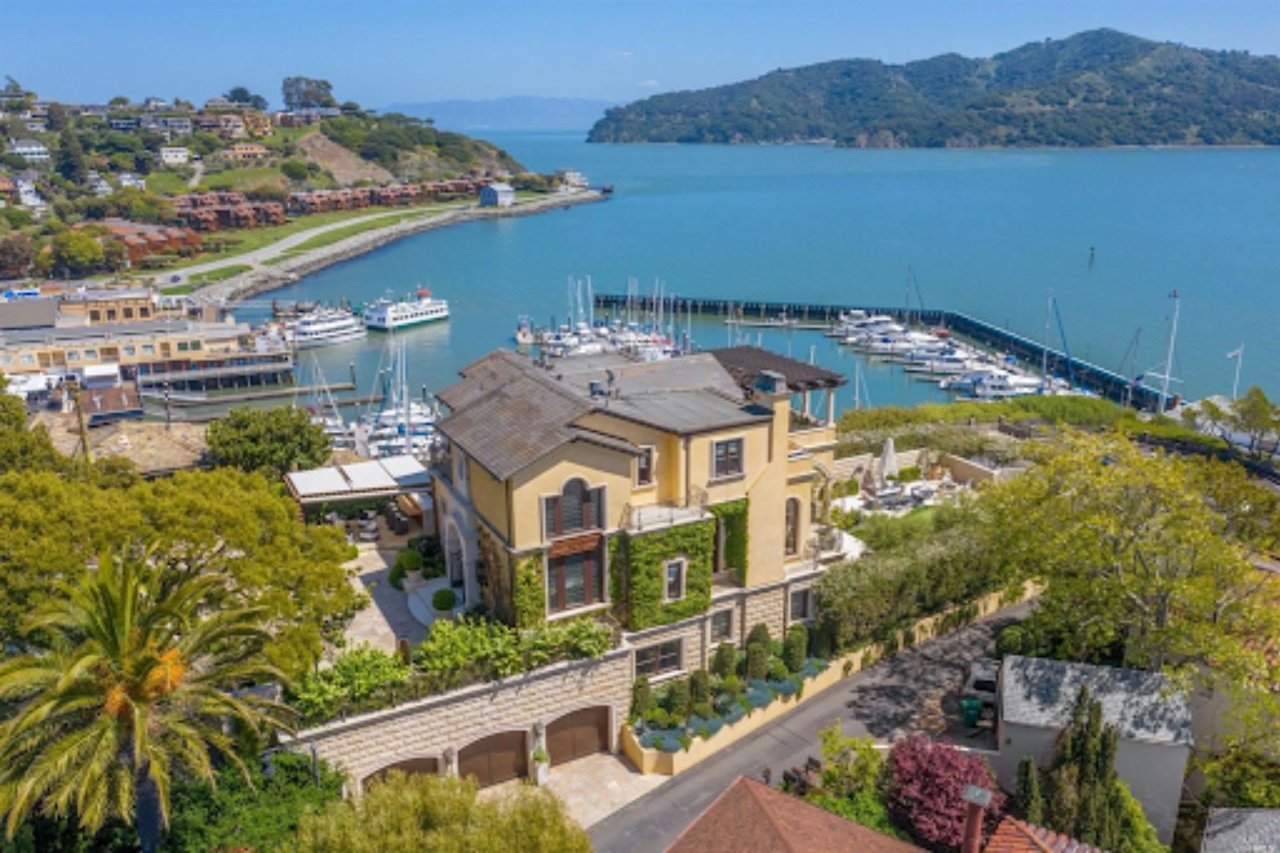
Summer brings dry, comfortable days and cool evenings that invite you outside. Mornings often start with fog that lifts to bright afternoons, and sea breezes keep temperatures pleasant. You will hear masts clinking in the marinas and see sails dotting Raccoon Strait as the day warms.
On weekends, the waterfront comes alive. You can head out for yachting, day sailing, or paddle sports, then settle into outdoor dining downtown. Shoreline Park and Blackie’s Pasture are popular for picnics and walks, and clear afternoons are perfect for a quick crossing to hike and explore at Angel Island State Park.
Plan for practicalities. Parking and restaurant lines build on sunny Saturdays, and marina slips are in higher demand. Afternoon winds can pick up, so dress in layers if you are out on the water or dining near the shore.
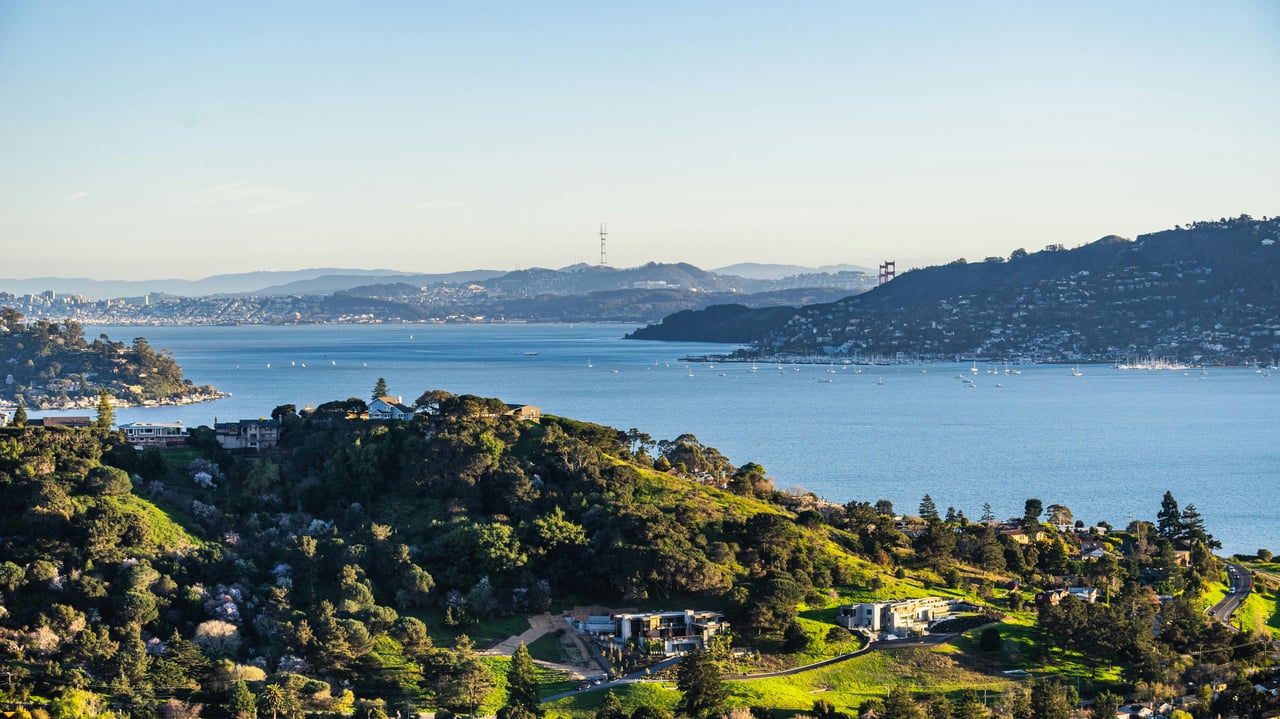
Fall is often the clearest, warmest season on the peninsula. Fog retreats, skies deepen to bright blue, and sunsets turn the Bay to copper and rose. Views toward the Golden Gate and the San Francisco skyline are at their crispest, which is one reason fall is a favorite for showings and photography.
Crowds ease after Labor Day, and boating stays excellent with calmer water on many days. You will find it easier to secure dinner reservations and marina services, and the town’s cultural calendar hums along without summer’s peak pressure. For outdoor time, hiking and cycling feel effortless in the mild air.
Winter is the rainy season and the tempo slows. You can expect a mix of light rains and occasional windy storms, along with noticeably greener hills. Waterfront paths feel peaceful, and local restaurants, galleries, and indoor events regain weekday regulars.
On stormy days, ferry schedules can adjust and small craft advisories may be issued. If you commute or plan day trips into the city, check conditions through the National Weather Service’s San Francisco Bay Area page. Winter is also a practical time to handle property care such as drainage, gutters, and roof checks, especially for waterfront or hillside parcels.
Spring moves from crisp, wet days into lighter, sunnier ones. Blossoms and birdsong return to sheltered gardens, hillsides on Mount Tamalpais turn green, and marinas buzz with commissioning and maintenance activity. By late spring, you will feel weekend energy building toward Memorial Day as outdoor seating, ferry rides, and shoreline walks fill in.
If you are prepping a property for market, spring’s light and landscaping set the stage beautifully. If you are buying, it is a useful season to evaluate gardens, drainage, and how a home captures morning and afternoon sun.
On the Tiburon Peninsula, a few blocks can change how a day feels. Protected coves often sit sunnier and less windy, while exposed points read cooler and brisker, especially in the afternoon. Fog tends to hug low shoreline areas early, while ridge and hilltop homes may see sun sooner.
Get in the habit of checking the day’s forecast before planning a sail, hike, or commute. The Bay’s maritime influence means conditions can shift quickly, but the overall pattern is mild, moderated, and highly livable year‑round.
You can reach San Francisco by ferry or by car. Many residents value the ferry for its reliability and scenery. For schedules, fares, and service notices, use the Golden Gate Bridge District’s ferry information page. Driving via the Golden Gate Bridge and US‑101 is straightforward, though rush‑hour congestion can add time.
Parking downtown is limited on sunny weekends. If you host guests or service providers, confirm where they should park and consider timing visits outside peak hours. For local updates and community notices, bookmark the Town of Tiburon.
Day to day, you will rely on Tiburon’s compact downtown for cafés, waterfront dining, and boutique services. Groceries, medical centers, and larger retail are a short drive away in Mill Valley, Corte Madera, and San Rafael.
Public schools serving the area include Reed Union School District for elementary and middle levels and the Tamalpais Union High School District for high school. Always verify current boundaries directly with the districts at the Reed Union School District site and the Tamalpais Union High School District site.
Waterfront living is extraordinary, and it also comes with special stewardship. Seawalls, docks, and shoreline structures require periodic inspection and maintenance. Moisture control, pest prevention, and drainage should be part of your routine. If your property sits near open space or hillside vegetation, plan for defensible space and seasonal fire‑safe landscaping.
For objective due diligence, use county and state resources:
These tools are helpful both when evaluating a purchase and when preparing seller disclosures.
Belvedere and Tiburon are defined by scarcity and desirability, with a premium on Bay views, waterfront access, and privacy. Listing activity often concentrates in spring and early fall. Spring brings fresh landscaping and longer days, while early fall delivers the clearest light for views and photography. Summer can be effective, although weekend showings may be complicated by visitor traffic and parking. Winter typically sees fewer listings, but motivated buyers continue to shop and transact.
If you are a seller, timing your launch around seasonal light and garden peak can elevate presentation. If you are a buyer, be ready to act when a compelling property appears, regardless of month. Inventory is limited and the best homes attract immediate interest.
Compared with Mill Valley’s wooded valleys and arts scene, the Tiburon Peninsula is water‑centric with marinas, shoreline parks, and intimate downtown blocks. Sausalito shares a waterfront identity, but Tiburon and Belvedere feel more residential in character and lower in profile. Larkspur and Corte Madera offer broader retail centers and flatter terrain, while Belvedere and Tiburon focus on boutique amenities, hillside view parcels, and direct Bay access.
Use this quick reference to align your home and lifestyle with the peninsula’s seasons:
Spring
Summer
Fall
Winter
Belvedere and Tiburon reward you with an easy, elegant rhythm that is grounded in the Bay’s daily changes. When you align your routines with the seasons, the peninsula feels even more effortless and inviting.
Ready to time your move or maximize a sale around the season that best fits your property’s story? Request a Confidential Valuation and a private consultation with the Sarkissian Bullock Team. Connect through Global Estates for discreet, concierge guidance.
Why People Are Making The Move In 2026
Why Smart Sellers List Now
A Parent’s Real Estate Guide
What Luxury Homeowners Pay
Your Relocation Guide
How To Find What Isn't Listed
7 Things Your Realtor Should Be Doing
The Sarkissian Bullock Team is consistently regarded as the best and most trustworthy realty service found anywhere, offering their keen, personal advice to their clients.

Sarkissian Bullock Team
Lydia Sarkissian | CA DRE# 01159670
415.384.4000
Magda Sarkissian | CA DRE# 02028978
415.384.4000
Bill Bullock | CA DRE# 00837358
415.384.4000
100 Tiburon Blvd., Suite 100 Mill Valley, CA 94941