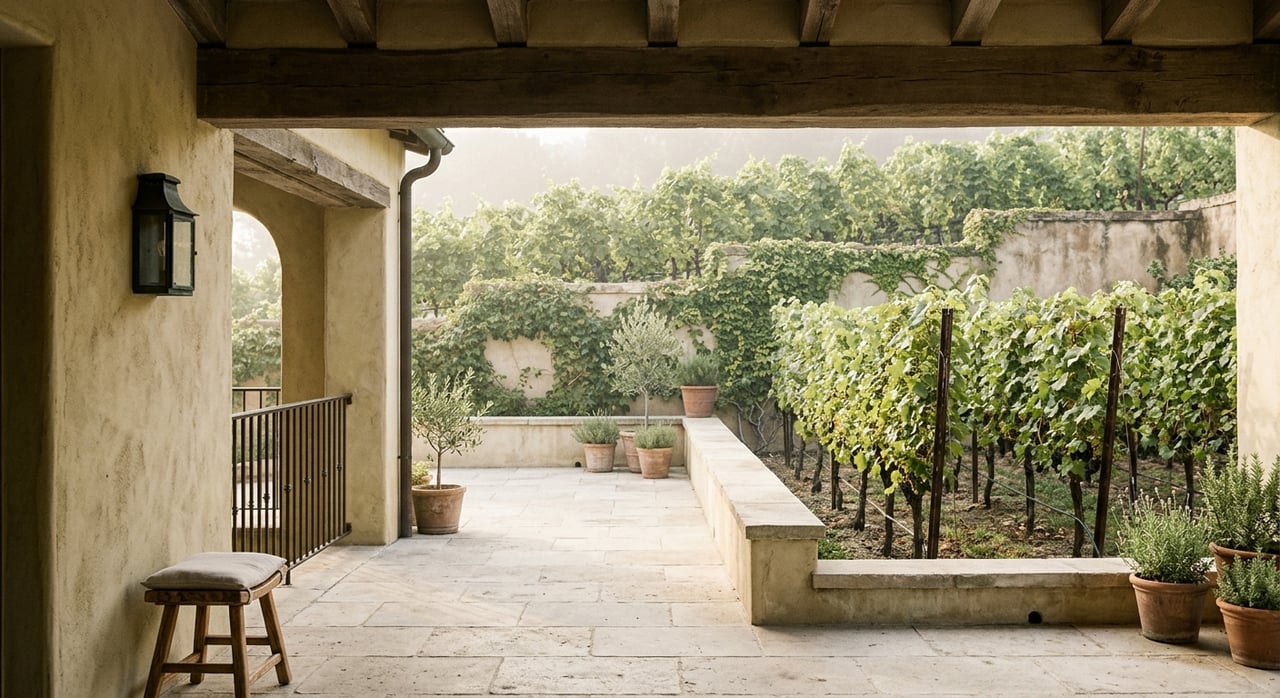
Comparing Napa And Sonoma Estate Properties
May 28, 2026
May 28, 2026
If you are weighing Napa against Sonoma for an estate purchase, you are really comparing two very different versions of wine-country ownership. Both offer beautiful land, established towns, and strong long-term appeal, but the experience of buying, using, and positioning an estate can look quite different on each side. This guide will help you compare market conditions, land-use realities, lifestyle patterns, and practical diligence so you can narrow your search with more confidence. Let’s dive in.
At a high level, Napa tends to feel more controlled, more compact, and more legacy-driven, especially for buyers focused on vineyard or winery potential. Sonoma, by contrast, often offers more submarket variety and more flexibility for estates that mix residential living with agriculture or hospitality-related uses.
That difference matters because estate buying is rarely just about the house. In wine country, your decision may also involve acreage, zoning, operational goals, guest use, future improvements, and how much flexibility you want over time.
Countywide numbers offer a useful starting point, even though they are not estate-specific. In March 2026, Napa County posted a median sale price of $832,500, down 12.4% year over year, with a 57-day median time on market and a 97.5% sale-to-list ratio.
In the same period, Sonoma County recorded a median sale price of $815,000, down 0.69% year over year, with a 36-day median time on market and a 99.6% sale-to-list ratio. Sonoma also had a larger share of homes selling above list price, at 36.6% compared with Napa’s 13.1%.
The broad takeaway is that Sonoma is currently moving faster and closer to asking price, while Napa shows more softening at the county level. For a buyer, that can suggest more negotiating room in Napa, while Sonoma may require quicker decision-making in certain submarkets.
Luxury estates do not always track the broader market. A small number of high-value sales can swing median pricing sharply, especially in niche enclaves with limited inventory.
That is why countywide figures should be treated as directional rather than definitive. If you are comparing vineyard estates, view homes, or large parcels with entitlement potential, the details of the asset often matter more than the headline median.
For many estate buyers, this is the most important part of the comparison. The practical difference between Napa and Sonoma often comes down to how tightly land is protected and how easily a parcel may support your long-term plans.
Napa County’s General Plan makes agriculture the county’s primary land use and protects agricultural and open-space land with 40- and 160-acre minimum parcel sizes. It also directs housing and commercial development toward incorporated and urbanized areas.
In practical terms, Napa operates as a more permit-driven agricultural market. Williamson Act eligibility generally requires AP or AW zoning and either 40 acres of non-prime land or 10 acres of prime land, with a narrower path for certain sustainable or diverse agricultural operations on smaller parcels.
Wineries in AP and AW districts may be allowed with an approved winery use permit. Napa also launched a 2026 Type 93 estate-tasting-event pilot, but the county still places that permit under local fire and land-use review.
For you as a buyer, this means Napa can be especially compelling if you value a highly protected agricultural setting and are prepared for a more structured entitlement environment. It can also favor buyers pursuing legacy vineyard or winery positioning rather than a looser mix of estate uses.
Sonoma County has a more layered agricultural zoning framework. According to UC Agriculture and Natural Resources’ summary of the Sonoma County General Plan, the county includes 326,562 acres of agricultural land use, representing 34.1% of county acreage, across multiple agricultural land-use categories.
The county’s code and general-plan summaries also address uses such as tasting rooms, agricultural processing, farm retail sales, agricultural farmstays, promotional accommodations, and small-scale events. AR zoning can allow unlimited crop and animal production on parcels of 2 acres or more.
That does not mean every Sonoma parcel is simple or unrestricted. It does mean Sonoma often presents more options for mixed residential-agricultural estates, particularly if you are considering a small vineyard, gardens, equestrian elements, or certain hospitality-related uses where permitted.
The answer depends on what you mean by vineyard-friendly. Napa is often the stronger fit if you want the prestige and structure of a tightly protected agricultural market with established legacy appeal.
Sonoma may be the better fit if you want flexibility around how an estate functions beyond vines alone. If your ideal property includes a residence, a modest vineyard, productive land, and room for other agricultural or guest-oriented components, Sonoma may offer a wider range of possibilities.
Estate ownership is not only about the parcel. It is also about how you want daily life to feel once you are there.
Napa Valley is relatively concentrated, with five towns and four regions described by Visit Napa Valley. The city of Napa centers around its downtown riverfront and the Oxbow area, Yountville is known for a refined and walkable core, St. Helena is framed as Napa Valley’s Main Street, and Calistoga emphasizes small-town charm and spa culture.
The planned 47-mile Napa Valley Vine Trail, running from the Vallejo Ferry Terminal to Calistoga, reinforces that connected, linear valley structure. If you want your estate experience to tie into a polished hospitality corridor with recognizable towns and a more compact geography, Napa often delivers that feeling.
Sonoma County covers more than 1.1 million acres and includes more than 30 small towns, villages, and cities. Sonoma Plaza offers a historic civic core, Glen Ellen presents a smaller village setting, Kenwood has a relaxed village character, and Healdsburg serves as a plaza-centered dining and tasting-room hub at the junction of three wine regions.
For you, that means Sonoma can feel more varied from one submarket to the next. Some areas are village-like and highly social, while others feel rural, forested, or more removed.
If walkability is high on your list, Napa often has the edge in a more concentrated sense. Towns like downtown Napa and Yountville are part of a relatively compact valley system where residential proximity to restaurants, tasting rooms, and daily amenities can be easier to visualize.
Sonoma certainly offers walkable nodes, especially around places like Sonoma Plaza and Healdsburg, but the county overall is broader and more dispersed. The result is more choice, but also more variation in how connected or secluded a given estate may feel.
When clients compare these markets, the decision usually comes down to priorities rather than a simple better-or-worse answer.
Based on county planning frameworks, that is a fair conclusion. Napa’s approach is more tightly structured around agricultural preservation and more formal permitting, while Sonoma’s zoning framework explicitly addresses a broader set of agricultural and related uses.
Still, flexibility does not mean certainty. Before you rely on a use, you would want parcel-specific review of zoning, overlays, access, water, operational limits, and any permit history.
For estate buyers, wildfire and flood exposure should be part of the conversation early, not late. Redfin’s First Street-based risk tools flag Napa County at 99% wildfire risk and 31% severe flood risk over 30 years, while Sonoma County is flagged at 85% wildfire risk and 34% severe flood risk.
Those county-level figures are not a substitute for parcel-level diligence, but they do underscore the need for closer review. Insurance availability, evacuation access, defensible space, and the physical layout of the property can all affect long-term ownership.
Before moving forward on either side, it helps to review:
Both Napa and Sonoma can offer exceptional estate opportunities, but they serve different buyer goals. Napa often rewards buyers seeking structure, agricultural protection, and a more concentrated luxury wine-country identity, while Sonoma often appeals to buyers who want broader choice, more terrain diversity, and more flexibility in how an estate lives and functions.
If you are comparing opportunities at the high end, the best decision usually comes from matching the property to your intended use, not just the address. A disciplined review of zoning, market context, and parcel-level risk can make the difference between a beautiful purchase and a truly strategic one.
For discreet guidance on Napa, Sonoma, and other Bay Area trophy properties, connect with Global Estates for a confidential conversation.

Why People Are Making The Move In 2026
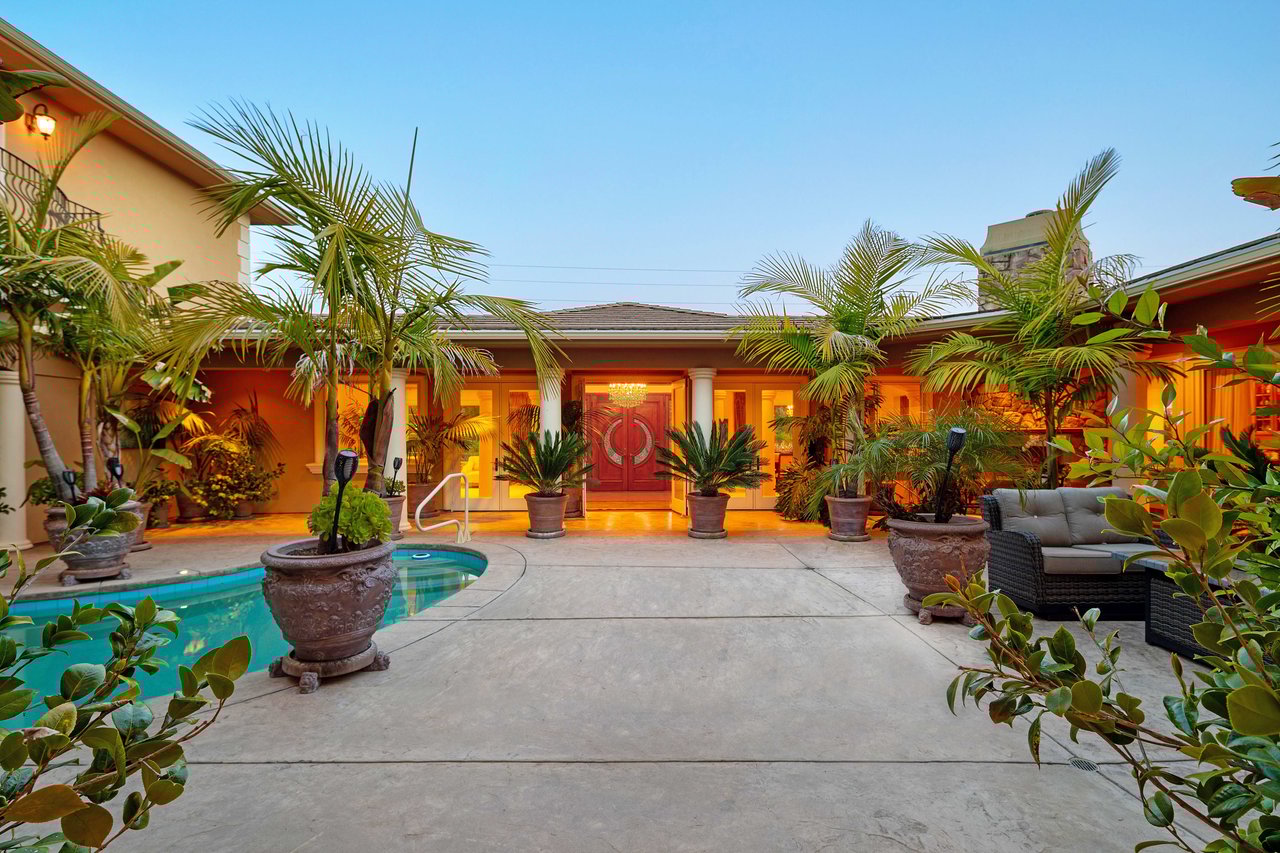

Why Smart Sellers List Now

A Parent’s Real Estate Guide

What Luxury Homeowners Pay
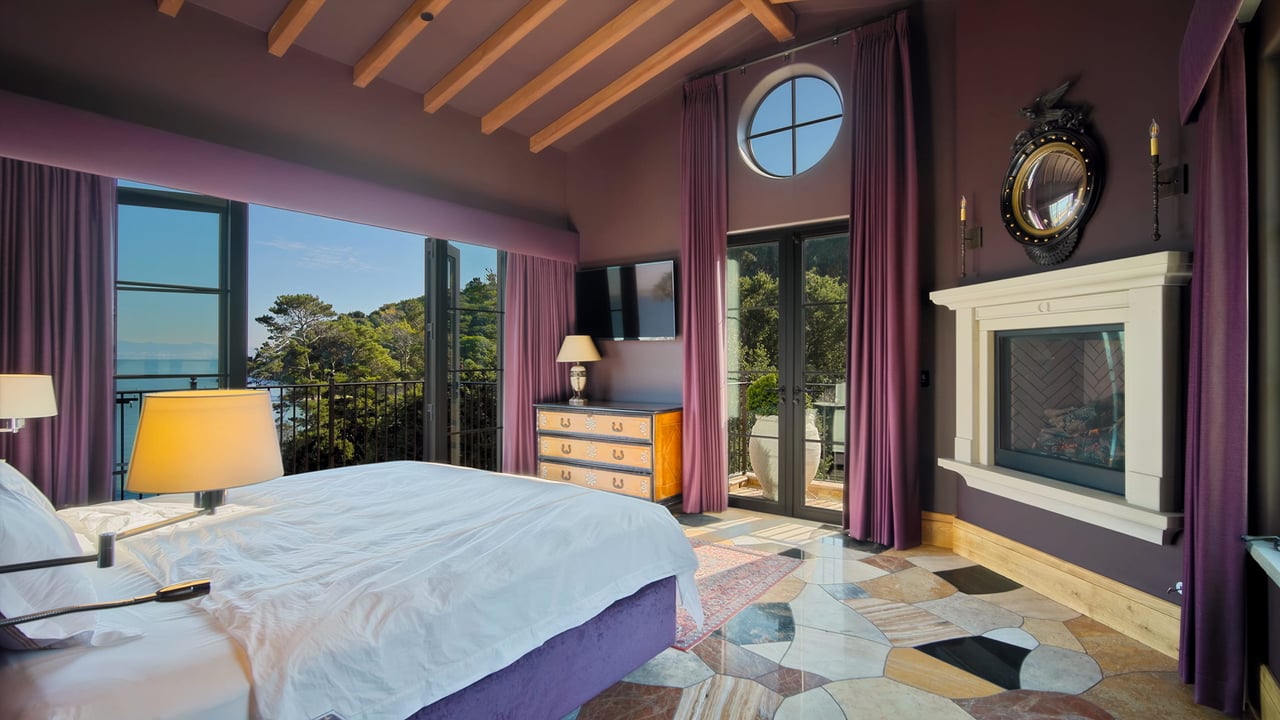
Your Relocation Guide
How To Find What Isn't Listed
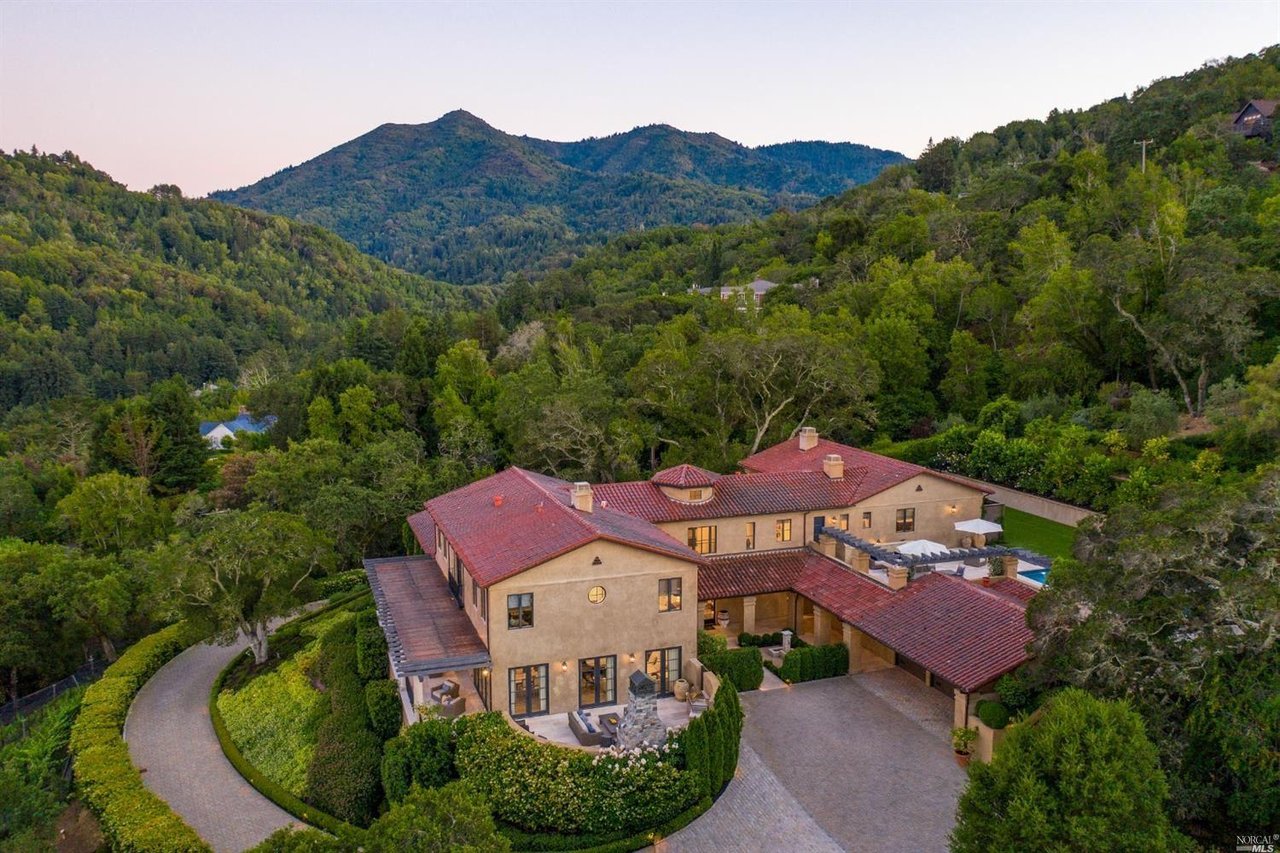
7 Things Your Realtor Should Be Doing
The Sarkissian Bullock Team is consistently regarded as the best and most trustworthy realty service found anywhere, offering their keen, personal advice to their clients.

Sarkissian Bullock Team
Lydia Sarkissian | CA DRE# 01159670
415.384.4000
Magda Sarkissian | CA DRE# 02028978
415.384.4000
Bill Bullock | CA DRE# 00837358
415.384.4000
100 Tiburon Blvd., Suite 100 Mill Valley, CA 94941