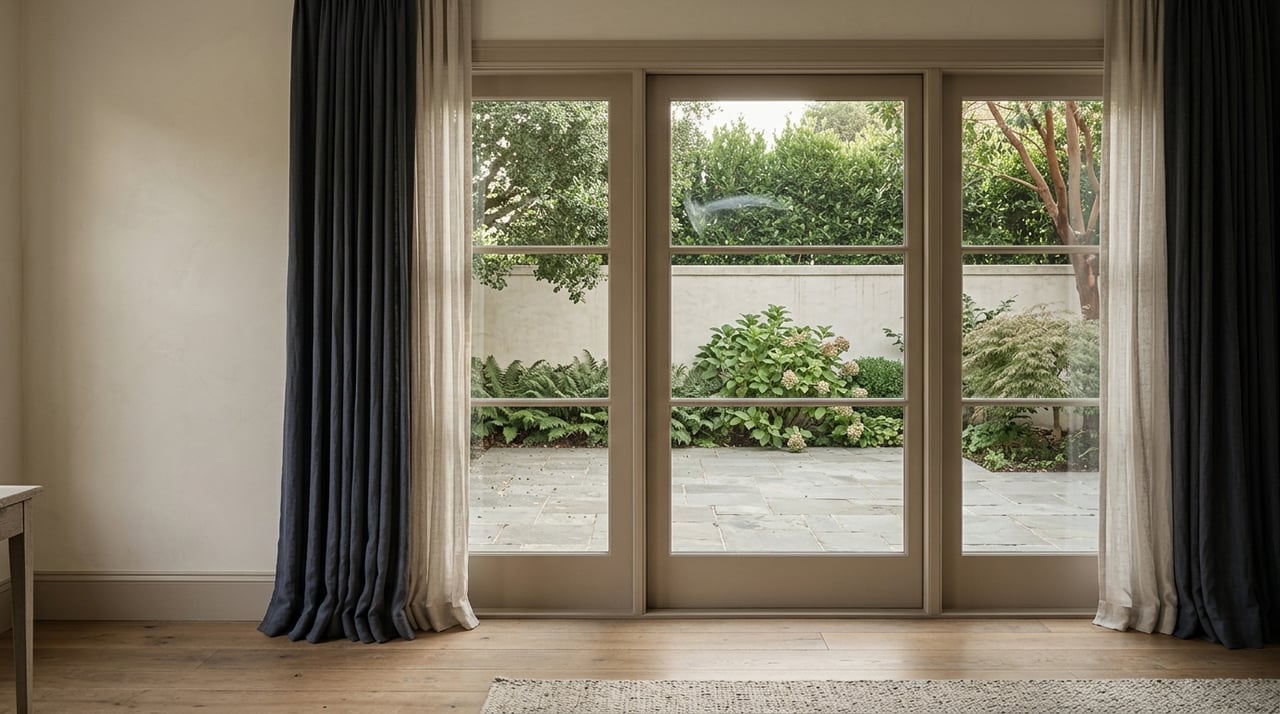
Inside Ross Luxury Homes: Architecture, Space, And Privacy
June 11, 2026
June 11, 2026
If you are looking at Ross luxury homes, you are not just comparing square footage or sale prices. You are weighing how a home sits on the land, how much breathing room it offers, and how well it protects a sense of calm and privacy. In a village as small and carefully shaped as Ross, those details matter. This guide will walk you through the architecture, lot patterns, and privacy features that define luxury living here so you can evaluate Ross with more confidence. Let’s dive in.
Ross is a very small Marin community with just 1.6 square miles, 912 housing units, and 50 acres of parks and open space, according to the Town of Ross. The town also reported a median home sales price of $3.5 million in April 2026. That combination of limited inventory, compact scale, and high values helps explain why Ross stands apart in Marin’s luxury market.
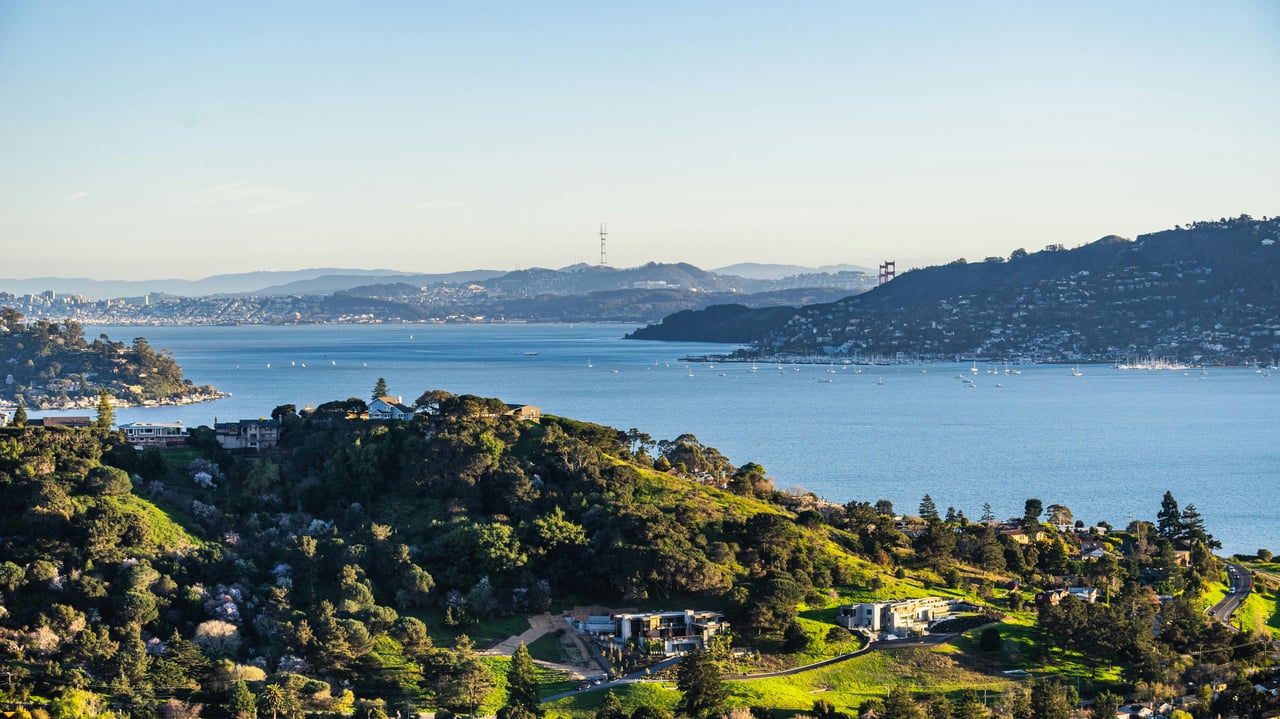
The town describes itself through tree-covered hills, winding creeks, landscaped streets and gardens, and a compact village core around Ross Common. It is also about 13 miles north of San Francisco over the Golden Gate Bridge. For many buyers, Ross offers a rare mix of convenience and a highly residential setting.
What often stands out most is the town’s long-term commitment to preserving its character. Ross planning documents emphasize low-density development and a close relationship between the built and natural environment. In practical terms, that means luxury here often feels understated, private, and deeply connected to the landscape.
One of the clearest ways Ross expresses luxury is through residential scale. Local zoning includes minimum lot sizes that range from 5,000 square feet to 10 acres. That creates a wide spectrum, from smaller village-oriented parcels to substantial estate settings.
The town’s land-use framework adds more detail. Low-density neighborhoods correspond to 15,000- and 20,000-square-foot lots, while very low-density areas are generally one acre or larger. For you as a buyer, that means Ross can offer both proximity to the village core and larger private compounds, depending on where you focus your search.
Just as important, the town’s rules do not simply allow space. They also shape how that space is used. Larger-lot districts have tighter footprint and coverage limits, and the General Plan encourages designers to avoid overbuilding and preserve open areas on each property.
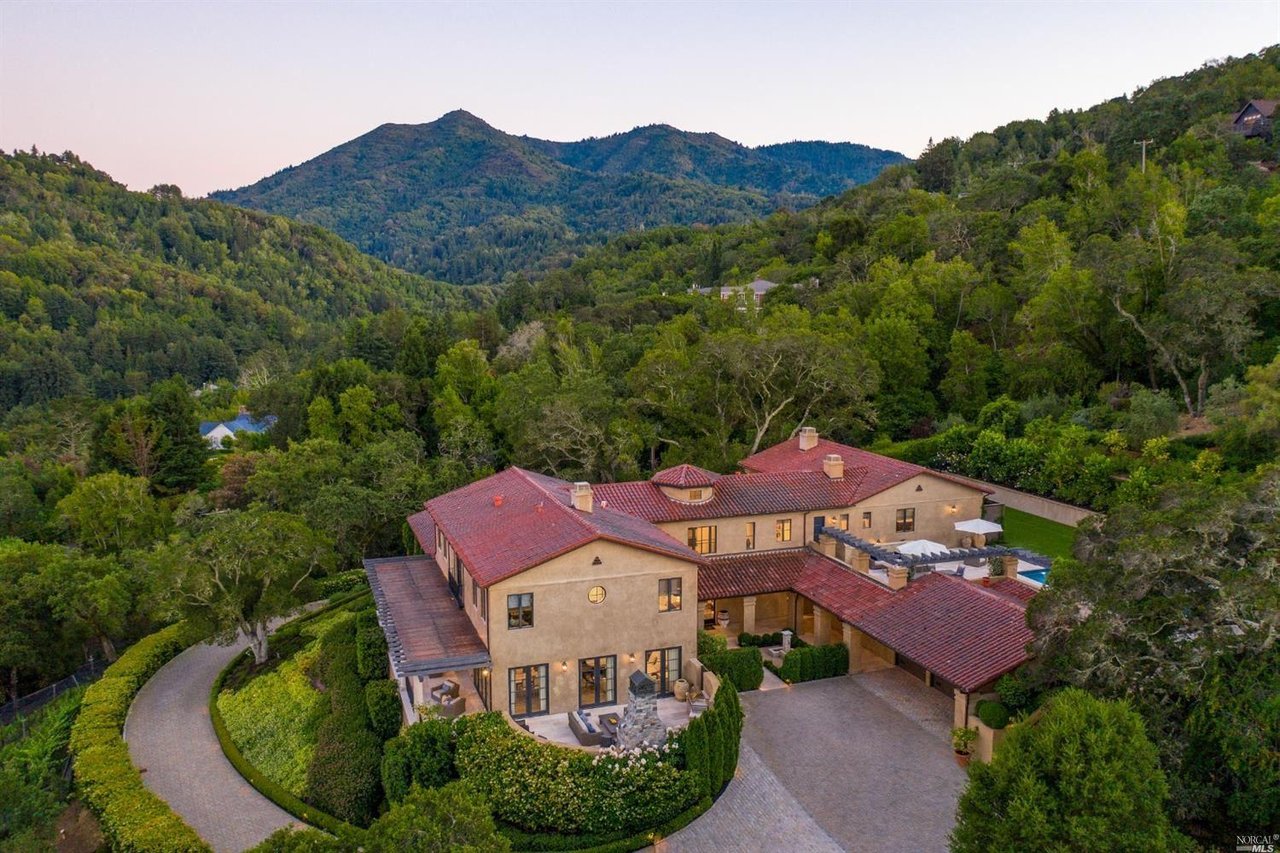
In Ross, a luxury home is often defined by what surrounds it as much as what sits under the roof. You may find value in gardens, setbacks, terraces, mature landscaping, and a sense of visual breathing room. That can make homes feel more private and more settled into their site.
It also means two homes with similar interior square footage may live very differently. A property that preserves more open space and responds well to its topography may feel more refined than one that appears oversized for its lot. In Ross, restraint can be part of the luxury.
Ross does not read as a one-style market. The town’s design guidelines describe an informal setting shaped by varied topography, winding roads, mixed street patterns, and highly variable lot and home sizes. This creates an environment where architectural diversity is expected rather than unusual.
The same guidelines highlight the importance of natural materials and craftsmanship. Across Ross, traditional and contemporary homes both have a place, provided they respond thoughtfully to their surroundings. That gives buyers a broader design range than they may expect in a small, established luxury village.
Historic-resource evaluations offer a few specific examples of the styles found in Ross. They identify 67 Bolinas Avenue as Craftsman, 196 Lagunitas Road as a Shingle style bungalow and Storybook cottage, and the Ross Public Safety Building as Spanish Colonial Revival. These examples do not define every home in town, but they do show the range present in local historic and landmark properties.
For buyers drawn to traditional architecture, Ross can offer pitched roofs, wood shingles, clapboard, stone, and other natural materials. These details often support a timeless look that feels aligned with the town’s mature landscape. In many cases, the architecture complements the setting rather than competing with it.
Ross also recognizes contemporary design. The design guidance specifically notes houses with flat roofs and simple geometry alongside more traditional forms. That matters if your taste leans clean-lined and modern but you still want a home in an established Marin setting.
The key in Ross is not one style over another. It is whether the design feels context-sensitive, well crafted, and scaled appropriately to the lot and surrounding homes. Luxury here tends to reward thoughtful design over excess.
When buyers think about luxury homes, it is easy to focus on room counts and square footage. In Ross, space works differently. The town’s planning approach suggests that the experience of space includes open land, preserved contours, gardens, and how the home sits within surrounding vegetation.
The General Plan calls on projects to respect natural topographic contours and keep building bulk and mass in scale with neighboring homes and vegetation. It also emphasizes protecting the town’s greenness. So when you tour Ross homes, it helps to look past the floorplan and ask how the whole site performs.
A well-resolved Ross property may include features like:
These are not just design choices. In Ross, they are often part of what makes a home feel consistent with the town’s character.
Privacy is one of the most meaningful parts of Ross luxury living. The town’s design guidance treats privacy as a core issue in residential design. New development is encouraged to use landscape buffers, thoughtful placement of outdoor spaces, and massing strategies that reduce looming effects on neighboring properties.
That planning approach shapes the experience buyers often notice on the ground. Privacy in Ross may come from mature landscaping, hillside siting, careful home placement, and protected outdoor areas. It is often less about gates or grand statements and more about subtle separation and discretion.
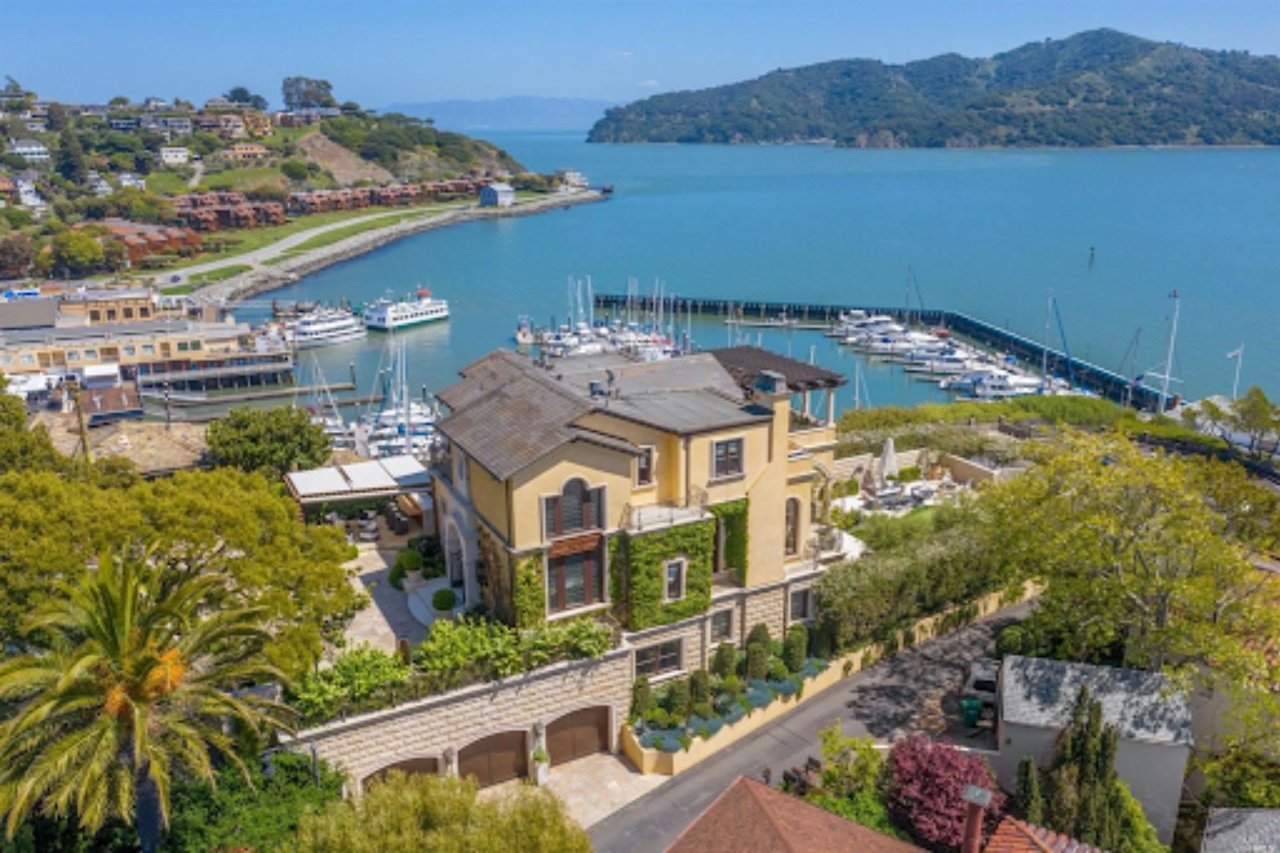
Ross planning documents recommend working with topography and terracing buildings into hillsides. This can create private outdoor spaces while helping the structure fit more naturally into the site. In some cases, the guidelines also support subterranean or partially subterranean parking where feasible, which can reduce visual clutter at street level.
For you, that may translate into homes with more sheltered patios, more controlled sightlines, and a quieter relationship to neighboring properties. In luxury terms, this kind of privacy often feels more enduring because it comes from the land and design, not just added screening.
In many luxury markets, indoor-outdoor living can mean large entertaining spaces and expansive openings. In Ross, the concept often feels a bit more tailored to the land. Because the town emphasizes natural contours, landscaping, and privacy, outdoor living spaces tend to work best when they are integrated carefully into the site.
That can mean terraces, garden rooms, and protected outlooks that feel personal rather than performative. Buyers who understand Ross well often appreciate this quieter version of luxury. The goal is not just outdoor square footage. It is outdoor space that feels usable, private, and connected to the setting.
Ross signals something specific to buyers comparing Marin’s high-end communities. Based on the town’s own description and planning framework, Ross reads as a compact, highly residential, privacy-oriented village rather than a broad mixed-use suburb. Its commercial area is intentionally small and centrally located for residents’ convenience.
That matters if you are trying to understand what drives value here. Ross is less about urban energy or large-scale mixed-use activity and more about discretion, mature landscape, and closeness to a village core. For many luxury buyers, that balance is a major part of the appeal.
If you are evaluating homes in Ross, it helps to look at the property through a local lens. Beyond finishes and room count, consider how well the home aligns with the qualities the town itself protects.
A few smart questions to ask include:
These questions can help you distinguish between a home that is simply large and one that truly fits Ross.
Because Ross is small, nuanced, and shaped by design expectations that go beyond simple square footage, local knowledge matters. The best opportunities are often found by understanding how architecture, privacy, and site planning come together in this specific town. That is especially true in a luxury market where subtle differences can affect long-term value and day-to-day experience.
Whether you are buying or preparing to sell, a thoughtful strategy starts with reading the property in context. The Sarkissian Bullock Team brings a discreet, high-touch approach to Marin’s luxury market, with deep experience representing exceptional homes and buyers across the region. If you are considering your next move in Ross, Global Estates can help you navigate the market with clarity and discretion.
A Parent’s Real Estate Guide
What Luxury Homeowners Pay
Your Relocation Guide
How To Find What Isn't Listed
7 Things Your Realtor Should Be Doing

What It’s Actually Like
Record Sales And Off‑Market Wins
The Sarkissian Bullock Team is consistently regarded as the best and most trustworthy realty service found anywhere, offering their keen, personal advice to their clients.

Sarkissian Bullock Team
Lydia Sarkissian | CA DRE# 01159670
415.384.4000
Magda Sarkissian | CA DRE# 02028978
415.384.4000
Bill Bullock | CA DRE# 00837358
415.384.4000
100 Tiburon Blvd., Suite 100 Mill Valley, CA 94941