Sausalito Houseboat Vs Hillside Home: Which Fits You?
May 7, 2026
May 7, 2026
Choosing between a Sausalito floating home and a hillside residence is not just about views. It is about how you want to live day to day, how you want to manage a property, and how comfortable you are with the rules, costs, and upkeep that come with each setting. If you are weighing waterfront character against the structure of a more conventional home, this guide will help you compare both paths with clarity. Let’s dive in.
In Sausalito, a “houseboat” usually means a stationary floating home, not a boat used for regular navigation. Marin County assesses floating homes the same way as real property, and they are not classified as vessels. That distinction matters because the ownership and cost picture is closer to owning a home than owning a recreational boat.
The local floating-home community is concentrated in five marinas and has a long-established identity in Sausalito. At Waldo Point Harbor, homes are individually owned while each berth is leased, and the harbor reports full berth occupancy since the 1970s. In practical terms, your decision is not only about the home itself, but also about berth availability, lease terms, and marina rules.
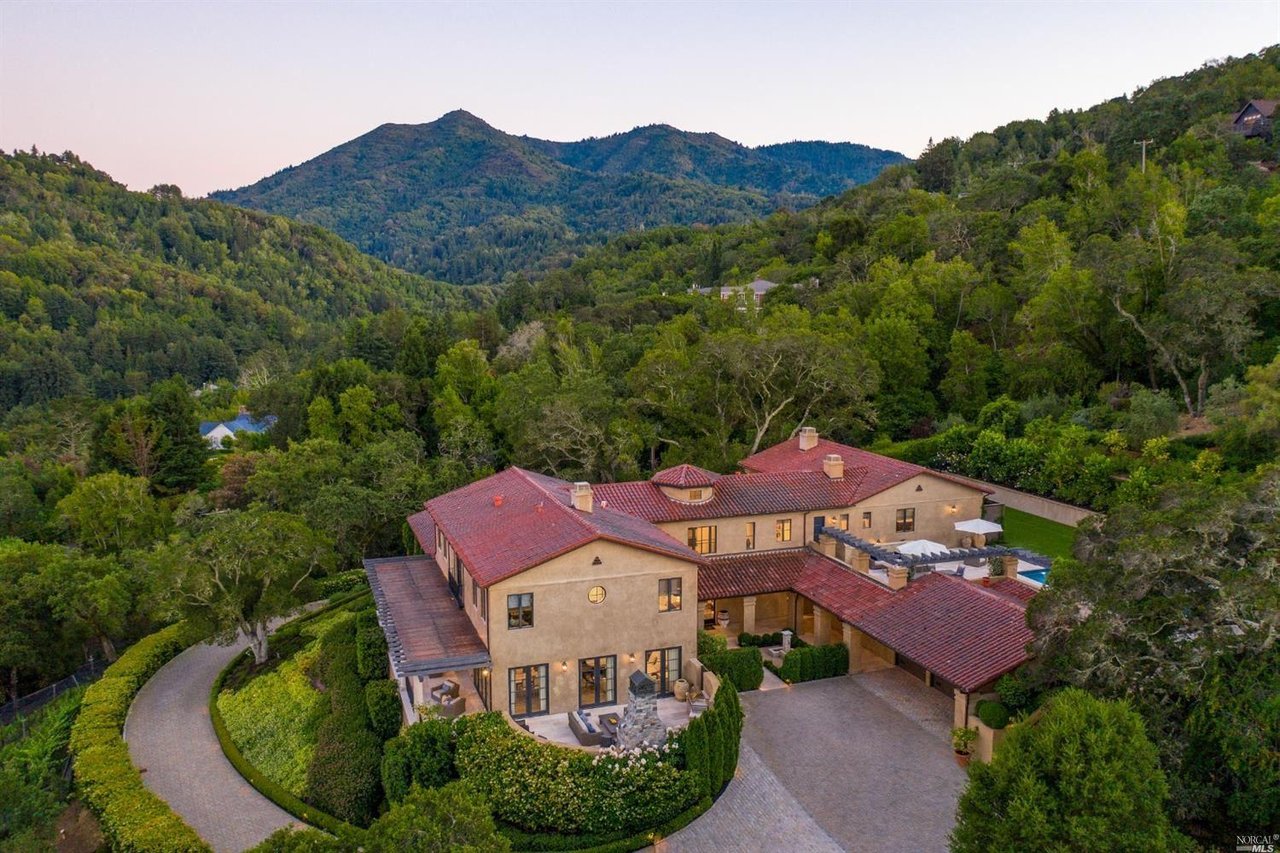
A hillside home in Sausalito follows a more familiar land-based ownership model. These properties move through the city’s standard zoning and building-permit system, which is often easier for buyers to recognize and evaluate. That familiarity can simplify expectations, even when the home itself is architecturally unique.
Sausalito’s municipal rules also shape how hillside homes sit on their lots. Setbacks, yards, and slope-related height rules help create spacing and open area, though privacy still varies from property to property. In many cases, you will feel more separation in a hillside setting than on a dock.
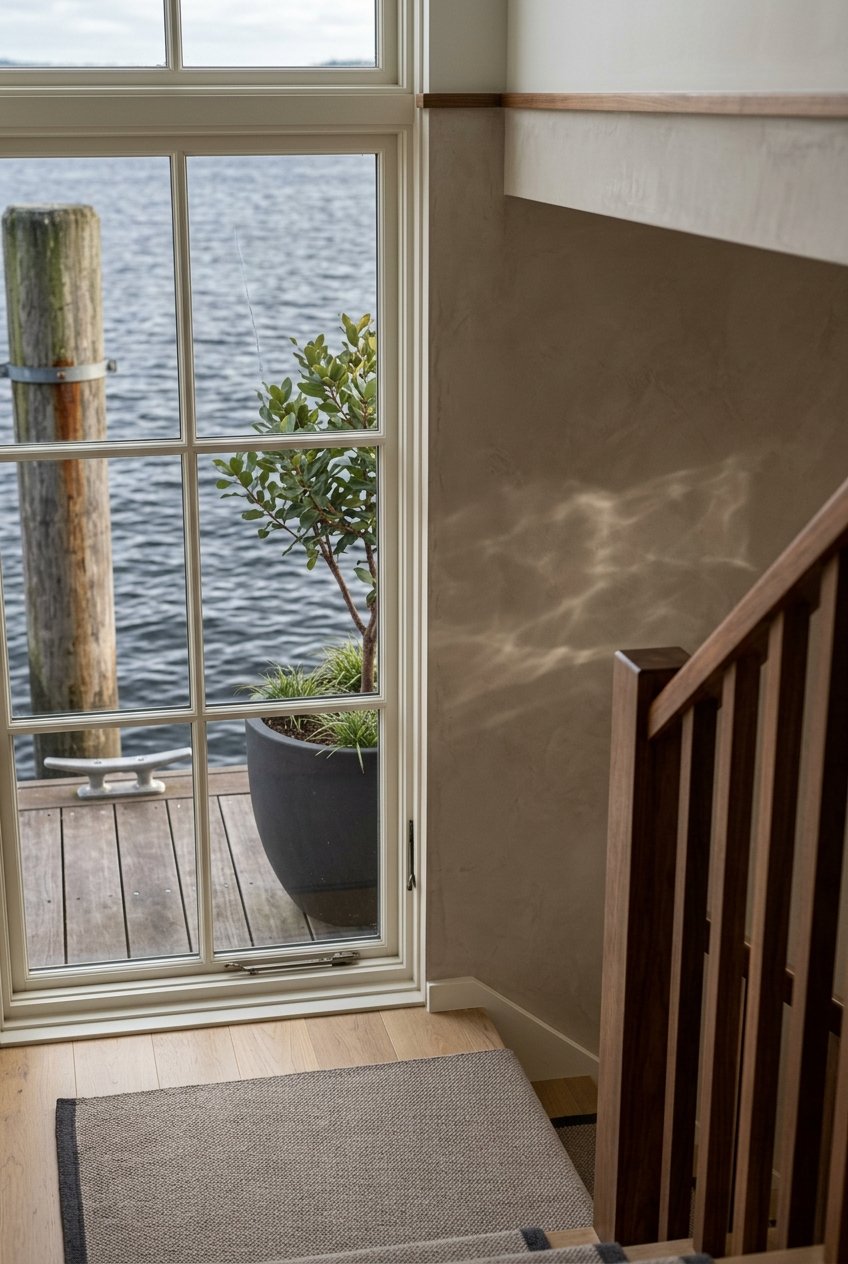
If you are drawn to immediate Bay access and an unmistakably local lifestyle, a floating home has a rare appeal. Daily life tends to feel immersive and communal, with neighbors nearby and shared dock spaces shaping the rhythm of the property. For many buyers, that sense of place is the main attraction.
That said, dockside living comes with tradeoffs. Narrow walkways, limited storage, guest-parking rules, and close proximity to neighbors are all part of the experience. At Waldo Point Harbor, rules address planter boxes, bicycles, pets, storage, and parking, which shows how much of everyday life is managed at the marina level.
A hillside home often suits buyers who want more breathing room and a more conventional residential setting. You may have yard space, clearer setbacks, and a layout that feels more private from day one. That can be especially appealing if you prefer quieter day-to-day boundaries.
The tradeoff is that hillside living asks more of you in other ways. Slope conditions, site drainage, and access can all shape maintenance and project planning. Instead of dock rules and berth terms, you are thinking more about topography, permits, and fire readiness.
With a floating home, you generally own the residence and rent the berth. The Floating Homes Association says many berthage fees are around $1,000 per month and often include water, garbage, sewage, parking, and common-area maintenance. That recurring fee is one of the biggest differences between floating-home living and conventional homeownership.
California’s Floating Home Residency Law, as amended by AB 754 in 2025, also gives buyers more clarity around berth costs. Annual berth-rent increases are capped at the lower of 3 percent plus CPI or 5 percent, and certain fees are limited to rent, utilities, and incidental actual-cost services actually rendered. For buyers comparing options, that framework can make recurring costs more predictable.
Marin County’s tax treatment is another important point. Because floating homes are assessed like real property rather than vessels, the long-term cost picture is more like homeownership plus berth rent. If you have assumed a floating home behaves financially like a boat, that is not how Marin County treats it.
A hillside home is more likely to align with the financing structure buyers already know. The research report notes that floating-home loans are specialty products, while hillside homes are more likely to fit conventional residential underwriting. That does not make one option better, but it does make the process more familiar for many buyers.
If ease of underwriting and conventional ownership structure matter to you, a hillside home may feel more straightforward. Your recurring costs are still property-specific, of course, but you are generally not layering berth rent into the equation. For some buyers, that simplicity is a deciding factor.
A floating home comes with a maintenance ecosystem that is very different from a land-based house. Waldo Point Harbor states that no new floats may be added without permits and written permission, homes must remain within assigned mooring locations, and pilings and mooring lines should be inspected. Residents are also responsible for utility lines and connections.
Operational realities matter too. The harbor notes that power outages can interrupt toilet pumping, and notices discuss holding tanks, public safety power shutoff events, and water conservation. If you value a waterfront setting but want minimal operational oversight, this is an area to study closely.
Rules beyond the marina also shape the lifestyle. Richardson Bay regulations prohibit living aboard a vessel, floating home, or houseboat anchored or moored in Richardson Bay outside the allowed framework, and anchoring is limited without a permit. That means successful floating-home ownership depends on staying within established marina systems, not informal Bay anchorage.
Hillside homes may feel more familiar, but they are not carefree. Sausalito says most residential changes require planning permits, building permits, inspections, and sometimes outside-agency review. The city also notes that retaining walls over 4 feet generally enter permit territory.
This matters because hillside properties often involve work that is shaped by the lot itself. Drainage, retaining walls, site access, and slope-related improvements can all affect timeline and budget. If you are considering updates, due diligence on prior permits and future project feasibility is essential.
A waterfront address and a hillside address face different environmental exposures. Sausalito’s shoreline planning highlights flooding, transportation and utility corridors, and continued Bay access as part of shoreline adaptation. For floating-home buyers, that means water exposure and utility resilience deserve close attention.
Hillside homes bring a different set of considerations. Sausalito’s wildfire resources emphasize defensible space, home hardening, and evacuation planning. If you are comparing the two lifestyles, it helps to think less in terms of which one is easier and more in terms of which risk profile you are better prepared to manage.
Whether you are leaning toward a floating home or a hillside property, the right questions are highly specific to the asset. In Sausalito, details around title, fees, permits, and infrastructure can meaningfully affect long-term enjoyment and cost. This is where careful representation becomes especially valuable.
Before moving forward, ask for clarity on:
In a market as nuanced as Sausalito, the right choice often comes down to how a property aligns with your habits, not just your aesthetic preferences. A floating home can offer one of the Bay Area’s most iconic living experiences, while a hillside home may deliver a more traditional version of privacy, structure, and long-term flexibility. If you are weighing either path in Sausalito or greater Marin, a discreet, well-informed property review can help you move with confidence.
If you would like guidance tailored to your goals, connect with Global Estates for a confidential conversation.

Why People Are Making The Move In 2026
Why Smart Sellers List Now
A Parent’s Real Estate Guide

What Luxury Homeowners Pay
Your Relocation Guide
How To Find What Isn't Listed
7 Things Your Realtor Should Be Doing
The Sarkissian Bullock Team is consistently regarded as the best and most trustworthy realty service found anywhere, offering their keen, personal advice to their clients.

Sarkissian Bullock Team
Lydia Sarkissian | CA DRE# 01159670
415.384.4000
Magda Sarkissian | CA DRE# 02028978
415.384.4000
Bill Bullock | CA DRE# 00837358
415.384.4000
100 Tiburon Blvd., Suite 100 Mill Valley, CA 94941